
EnCompass Resources for Learning
After-school pilot program
Summer reading program

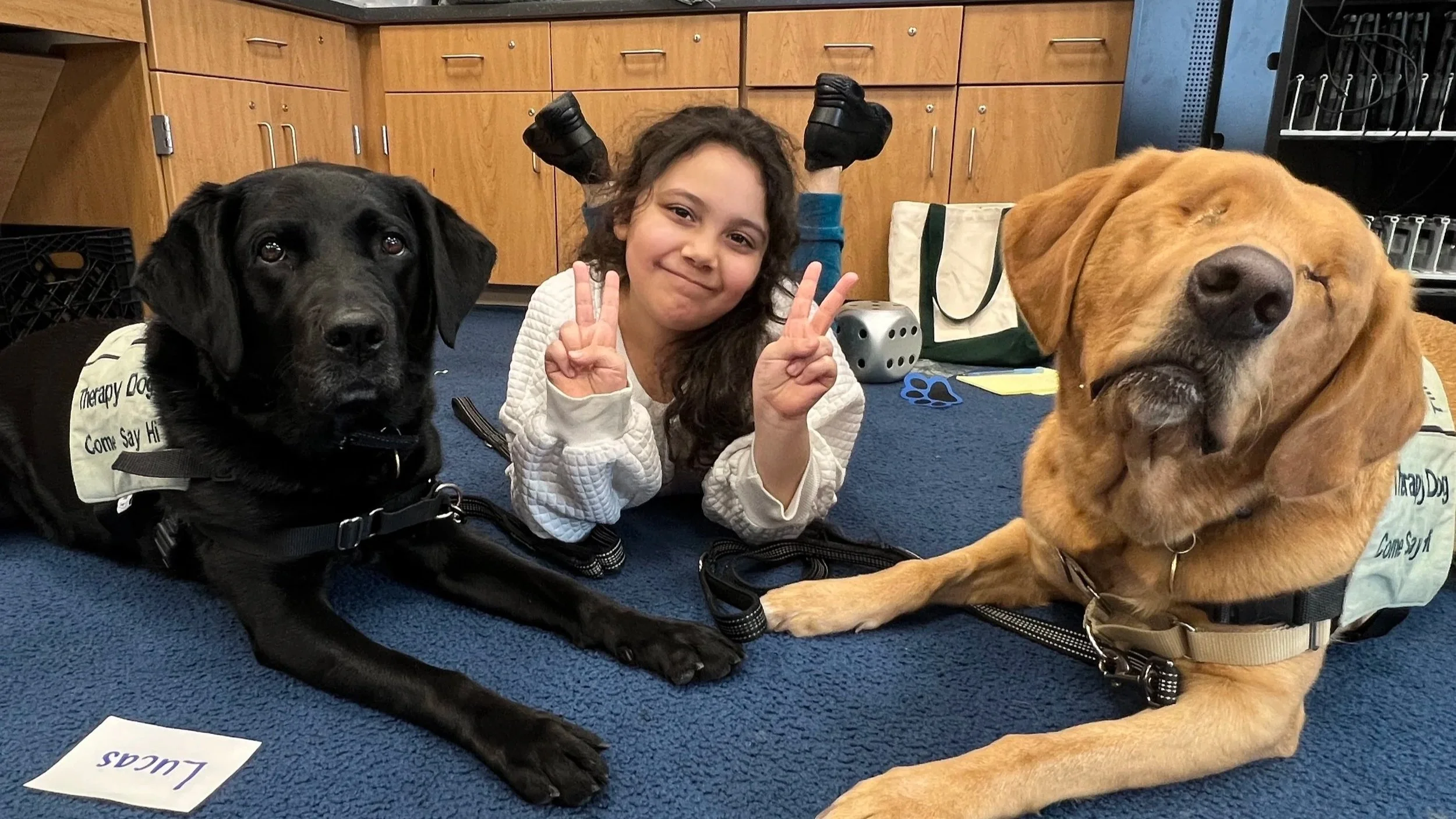
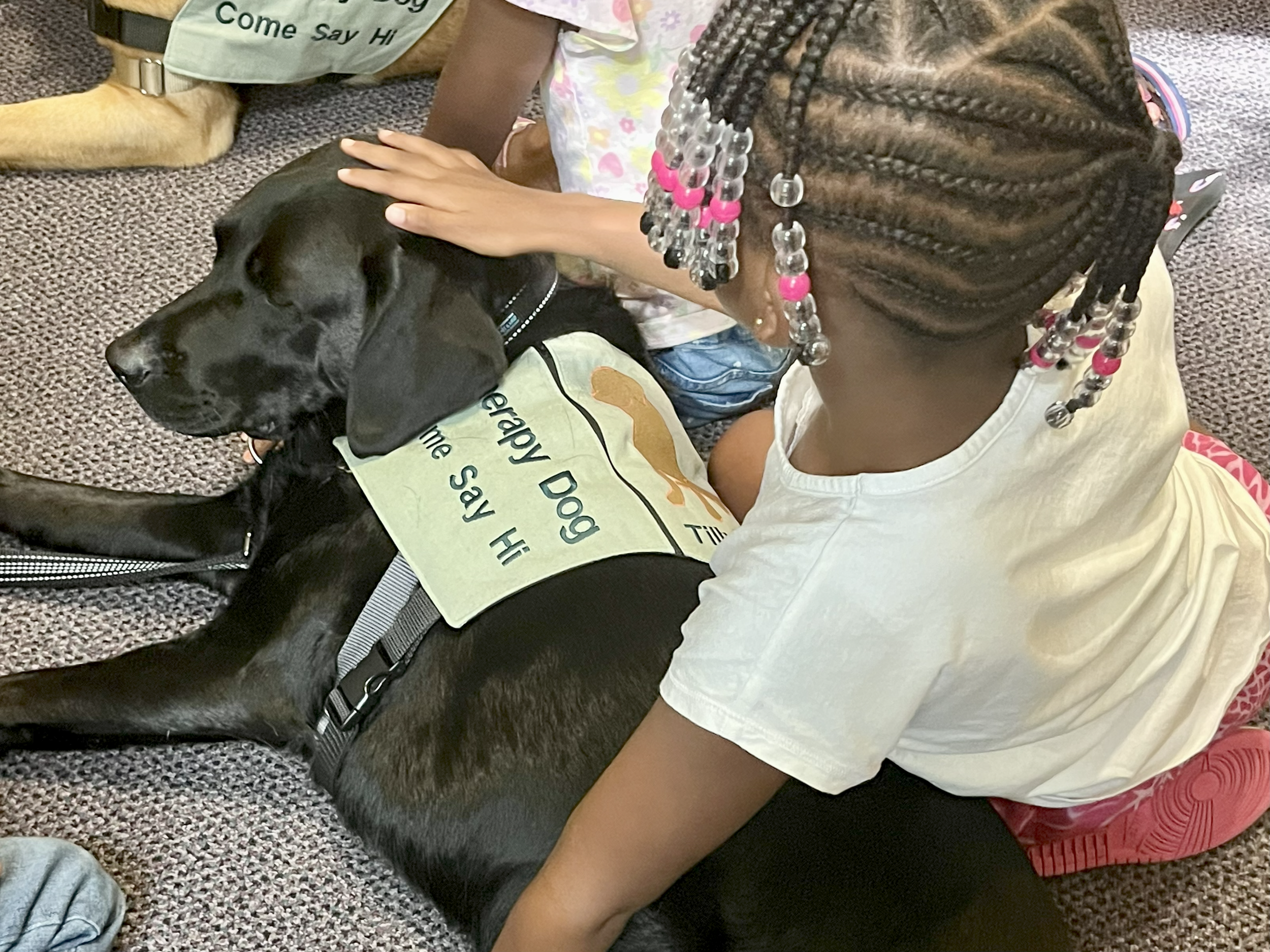
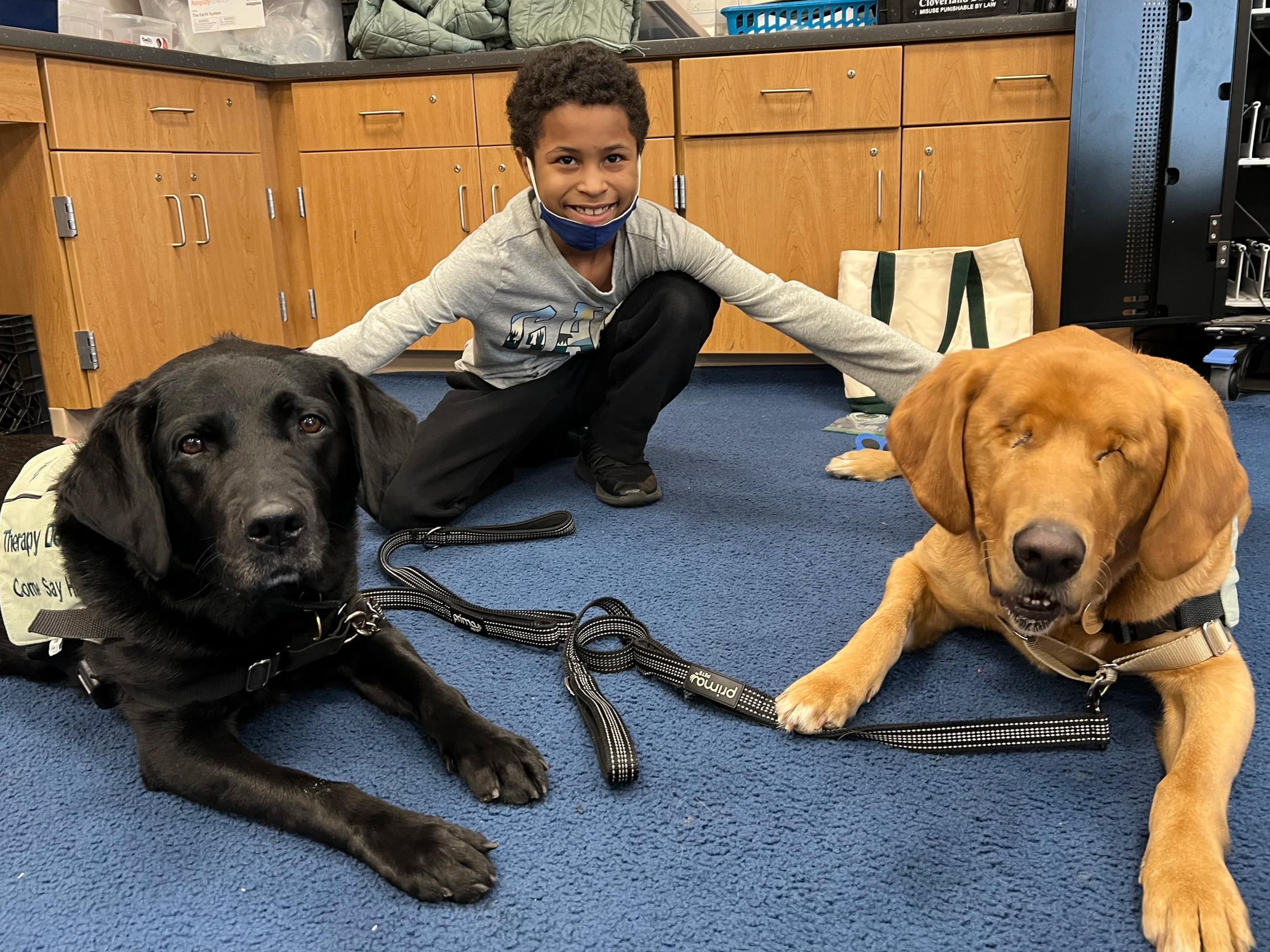
Summer Reading Program Teacher Feedback
“During their time with the therapy dogs the students “were much more gentle and chill…, they attempted sitting quietly and calmer than they often are in the classroom. This was also the only setting where not once did I hear a student have a negative comment about or during. They seemed to be happy to go in with the dogs. It was also great incentive for encouraging positive behavior.”
“I loved the small group setting and how the kids were comfortable in the setting to read aloud. Even kids that don’t read in class gave it a try!”
“One of our student struggles with reading, this student refused to read or participate in any of the reading activities. However, this student was fully engaged and participated in reading to the therapy dogs despite her reading struggles.”
“The children loved the therapy dog. Reading with her got the students engaged. They learned to be calm around her and when she needed a break.”
After-School Program @ EnCompass Pilot Study
1. Introduction and Research Questions
This study investigated the effect of brief therapy dog sessions on the self-reported emotional well-being of 3rd and 4th grade children participating in a 6-month therapeutic program. Data was collected during the final month of the program. The study aimed to answer two primary questions:
Did self-reported emotional well-being change significantly following therapy dog sessions?
Did the change differ significantly between male and female children?
2. Methods
Measurement: Participant emotional well-being was measured before and after each session using a 7-point Likert scale ranging from Very Calm (1) to Very Upset (7), with lower scores indicating improved emotional well-being (e.g., reduced distress).
Sample Size: A total of 40 data points were collected across the sessions (15 Female, 25 Male).
Dependent Variable: To measure improvement, an "Emotional Well-being Change" score was calculated for every session by subtracting the post-session rating from the pre-session rating (start rating - end rating). Using this formula, a positive number indicates an improvement in self-reported emotional well-being.
Analysis: Because Likert data is ordinal and does not always follow a normal distribution, non-parametric tests were utilized. A Wilcoxon Signed-Rank test was used to analyze overall pre-to-post session changes, and a Mann-Whitney U test was used to analyze gender differences.
3. Results
To ensure the program provides measurable impact, changes in self-reported emotional well-being were tracked before and after therapy dog sessions during the final month of a 6-month pilot window.
Quantitative Analysis A Wilcoxon signed-rank test demonstrated a statistically significant improvement in self-reported emotional well-being following the therapy dog sessions (W = 351, p < .001). The analysis demonstrated the following:
Maximum Effect Size: The program yielded a maximum effect size, with a Rank Biserial Correlation (rB) of 1.0, indicating that among all students who experienced an emotional shift, 100% of that movement was toward improved emotional well-being. No students reported a decline in their well-being.
Demographic Consistency: To examine if the positive effect of the therapy dogs varied by gender, a Mann-Whitney U test was conducted on the calculated improvement scores. The results indicated no statistically significant difference between male and female participants (U = 174, p = .697), indicating the intervention is equally effective for each gender.
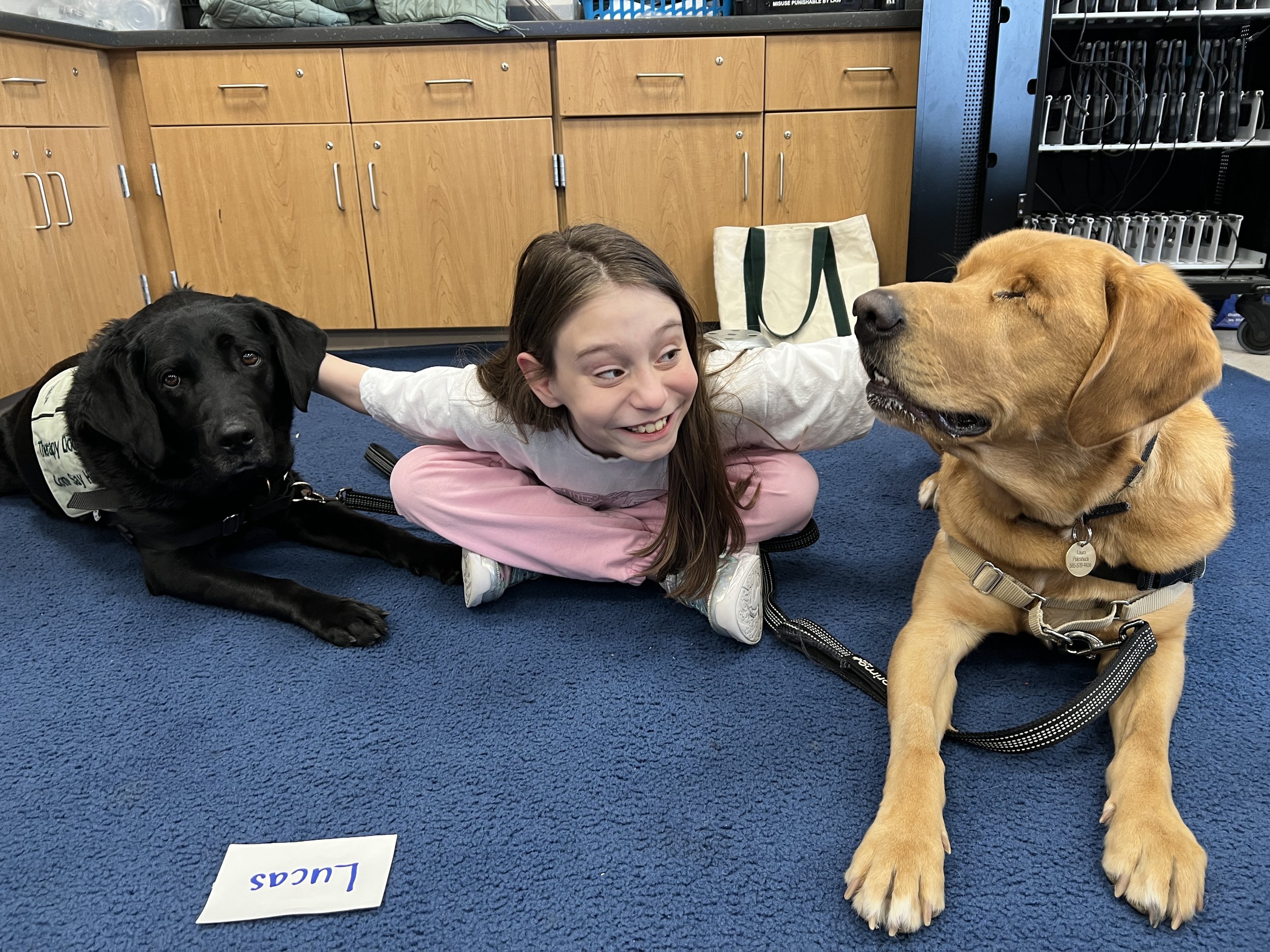
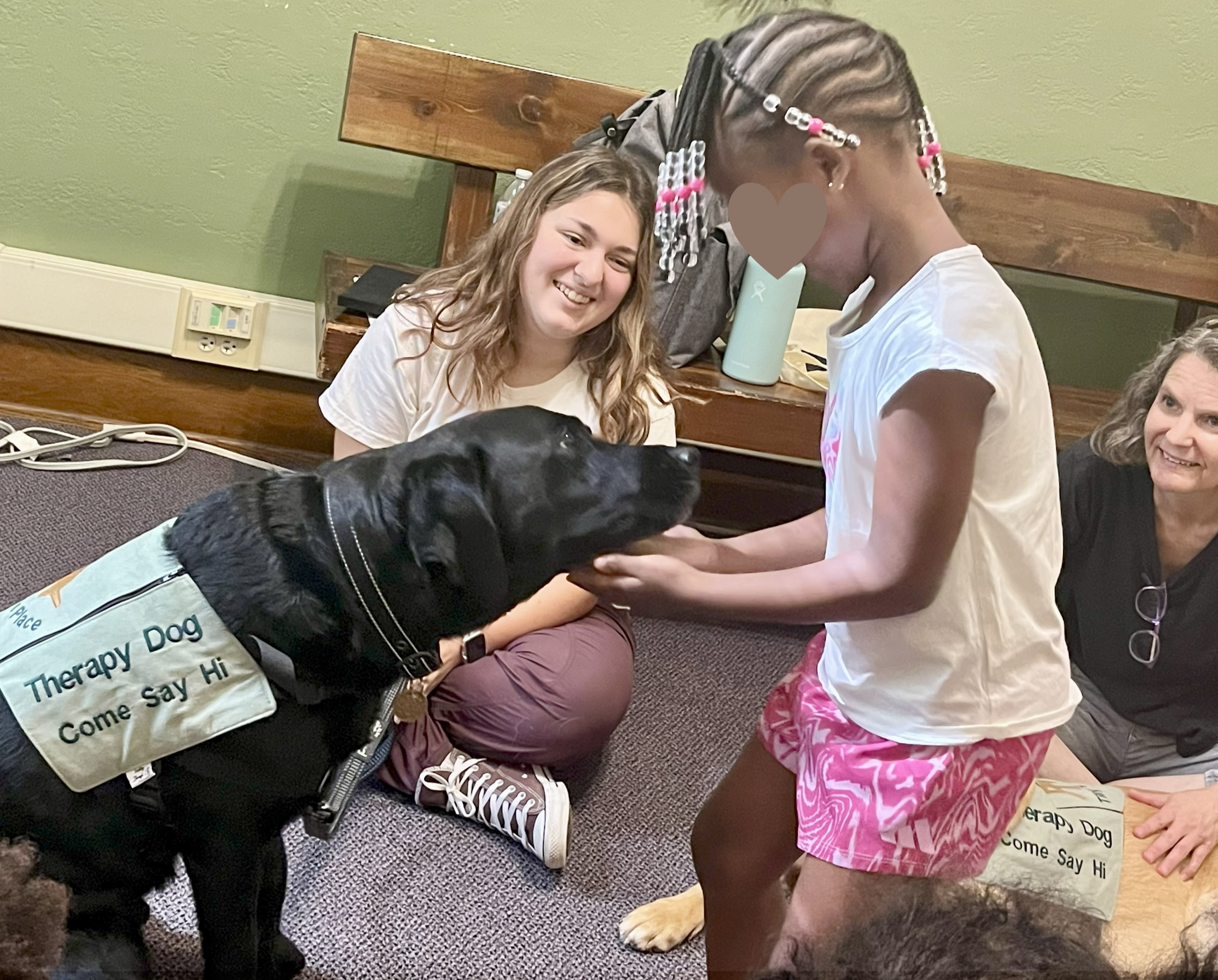
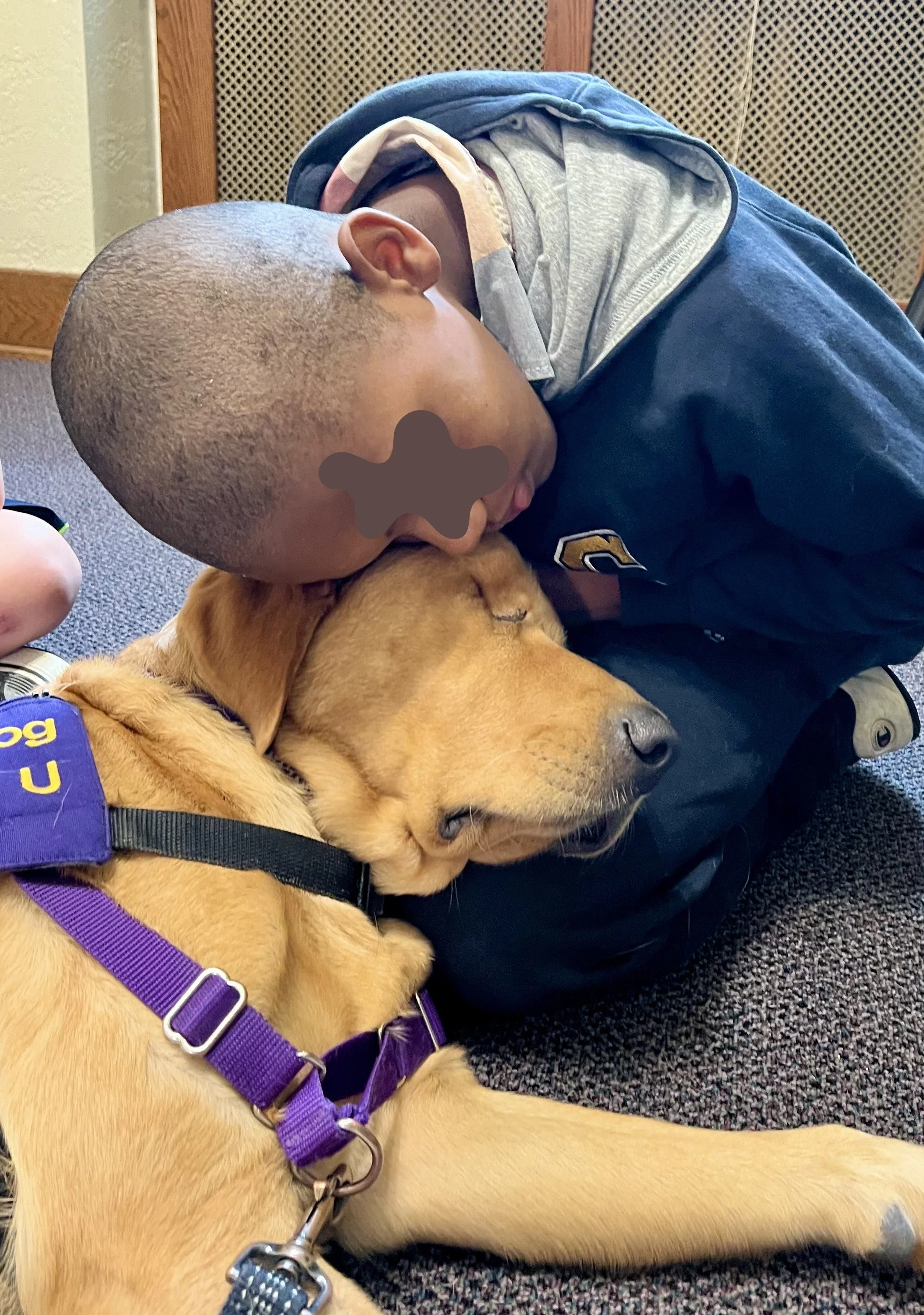
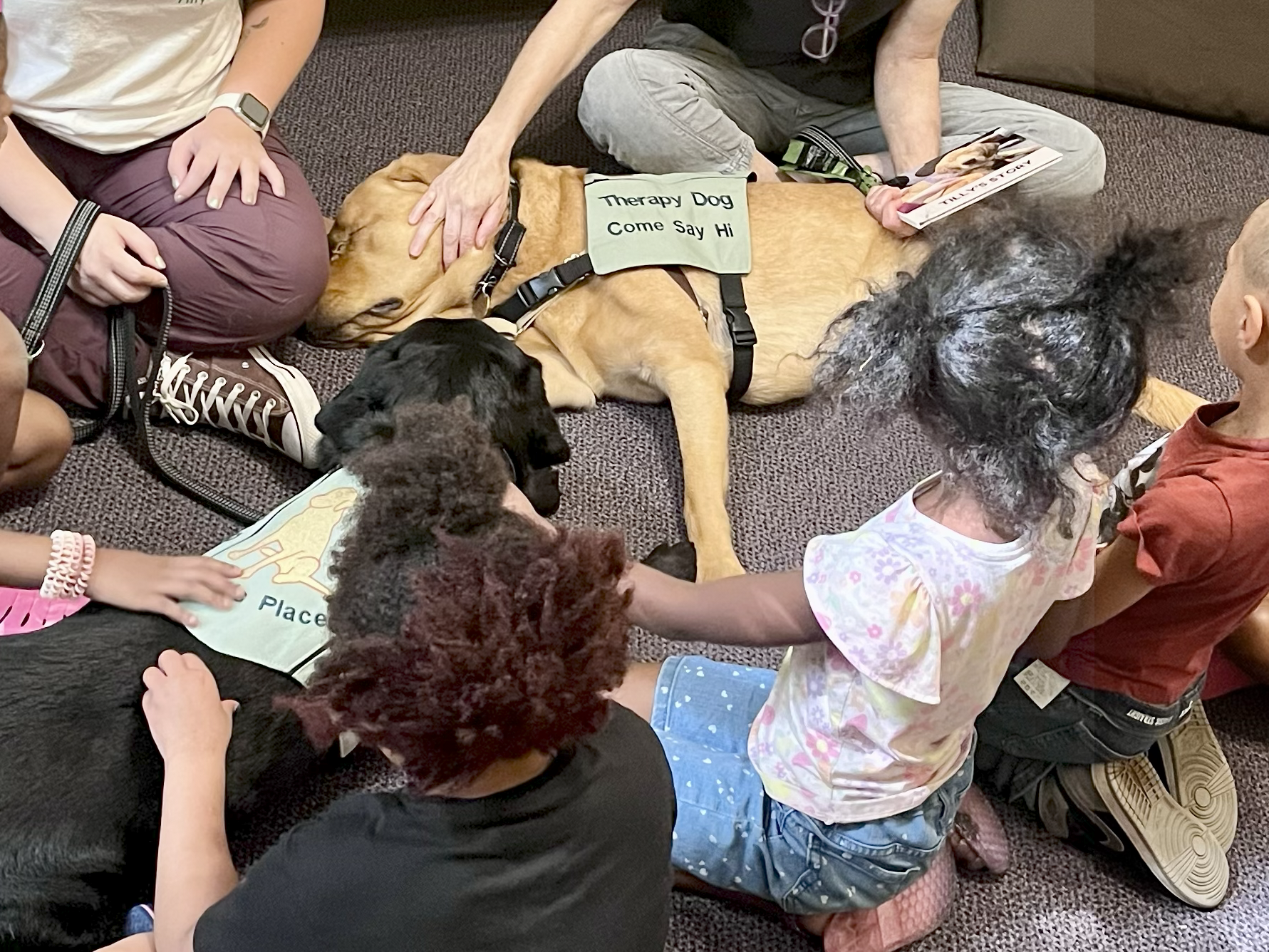
Qualitative Observations Tilly's Place has already explored several "Dog Care and Training" curriculum topics during sessions with the students enrolled in EnCompass, such as emotions, self-care, literacy, disability awareness, and positive reinforcement training. The children responded with high levels of enthusiasm and sustained engagement, and the registered therapy dogs demonstrated calm and happy body language throughout interactions, ensuring the welfare of the dogs as well as the children.
4. Strengths
Because the data was collected in the final month of a 6-month program, we can confidently rule out a "novelty effect." The children were well-accustomed to the program environment, proving that the therapy dogs provide a genuine, sustained benefit rather than a temporary boost from a new experience.
5. Limitations
Independence of Data: Data was collected across multiple sessions over 4 days. If the same children attended more than one session, the data points are not completely independent. Future studies with larger samples should utilize linear mixed-effects models to account for repeated measures from the same individuals.
Subjective Scaling: Well-being was measured using a subjective self-report Likert scale. Future iterations of this study could benefit from pairing these surveys with objective physiological markers, such as heart rate or cortisol levels in children.
6. Conclusion
The therapy dog intervention demonstrated a significant impact on children’s self-reported emotional well-being following the sessions, with the majority of participants showing immediate gains in well-being. The program yielded a maximum effect size among students who experienced an emotional shift, as all changes were toward improved well-being. The intervention was found to be universally effective, with gender playing no significant role in the degree of improvement observed. These findings provide a strong empirical basis for the continued use and expansion of the "Dog Care and Training" curriculum to promote the social-emotional, self-care, and academic skills of 3rd and 4th grade children in the Encompass program.